Courses from 1000+ universities
AI got cheap enough that Duolingo’s most expensive plan may not survive it. I read the earnings call transcript and opened the app to see what is actually changing for learners.
600 Free Google Certifications
Artificial Intelligence
Data Science
Cybersecurity
L'Italiano nel mondo
Introduction to HTML5
Umano Digitale
Organize and share your learning with Class Central Lists.
View our Lists Showcase
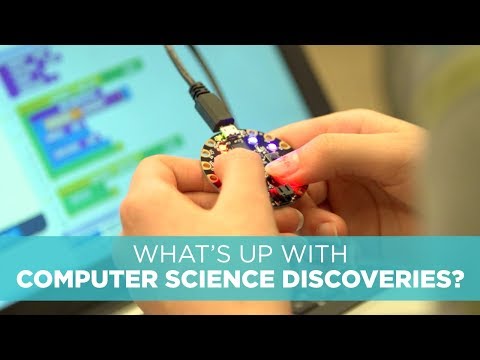
Prepare to teach the Computer Science Discoveries curriculum in Grades 6-10: navigate Code.org resources, apply computational thinking, use the lead learner model, and address equity gaps.
Define learner agency and build classroom conditions that foster it, examining identity and equity for marginalized students and creating a personalized plan for your own setting.
Put learner agency at the center of your classroom: explore students' perspectives, empower agency, and build a personalized plan for your own learning environment.
Prepare to teach the Beauty and Joy of Computing curriculum: study student pair-programming videos, learn Snap! coding with lists, variables and abstraction, and AP CSP exam tasks.
Explore learning differences through working memory, motivation, and executive function, then apply classroom strategies that personalize the learning experience for every student.
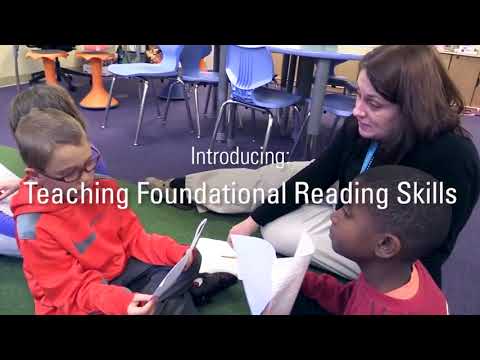
The Teaching Foundational Reading Skills MOOC-Ed will help you more effectively prepare your students in grades K–3 with the skills they need to become successful readers.
Design, evaluate, and share inquiry-based disciplinary literacy lessons, practicing close reading, digital learning, claim construction, and assessment to promote deeper learning with students.
Coach teachers to integrate technology: apply TPACK, SAMR and the Four C's, practice job-embedded strategies, and build a coaching plan for your school's digital learning culture.
Examine the economic importance of developing, retaining and supporting a world-class teaching workforce, then set action priorities and plan goals for your school or community.
Teach fractions in grades 3-5 by analyzing student thinking and misconceptions, using fair-sharing and number line activities, and unpacking procedures for computing with fractions.
Plan a K-12 digital learning initiative: assess your school or district's progress, set goals, shift the culture of teaching, and lead professional learning.
Integrate digital-age problem solving into classroom practice by combining data literacy, design thinking, and computational thinking through simulated activities and connections to computer science, coding, and making.
This MOOC-Ed will initiate a mindset shift wherein professors and other staff more effectively and efficiently gain personal agency to identify, address, and implement best practice when supporting the learning of all students in post-secondary environme…
Learn to teach inferential reasoning: pose investigative questions comparing groups, generalizing from samples to populations, and weighing competing models, using the SASI framework and student work samples.
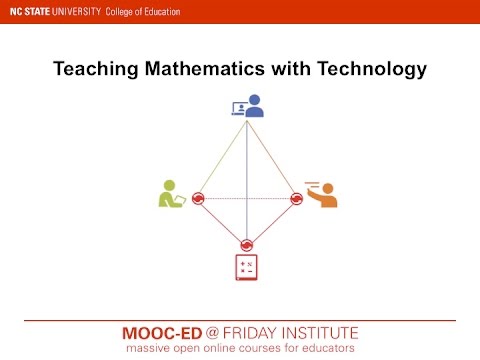
Explore how teachers can use technology to support students' engagement in and learning of mathematics, sharing practices with colleagues in schools worldwide.
Get personalized course recommendations, track subjects and courses with reminders, and more.